Weekly edition No. 3Week of 26 October – 1 November 2026Focus of the week · Haiti
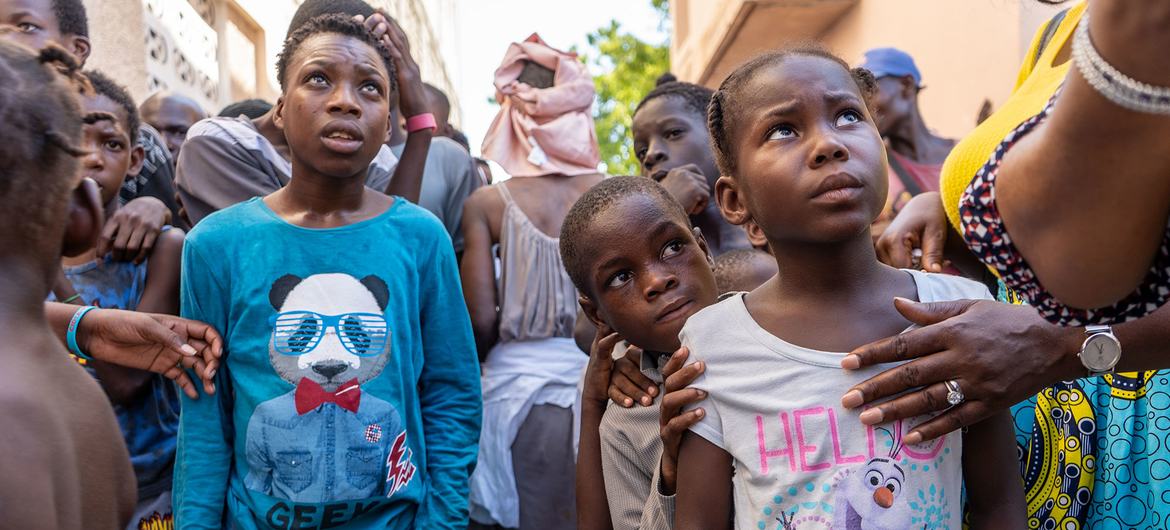
State Collapse, Gang Violence and Institutional Breakdown in Haiti
Collapse of public order, territorial expansion of armed groups and fragile political transition in the most vulnerable state in the Western Hemisphere.
- 1.5M
- internally displaced
OIM (IOM) - 5.9M
- facing food insecurity
IPC (proyección marzo-junio 2026)
20 conflicts covered, 6 reviewed every week. Every profile says when it was last reviewed and where each figure comes from. See all 20
International Affairs Watch
We monitor international conflicts. We analyse power dynamics. We turn data into knowledge.
International Affairs Watch is an independent observatory that researches and analyses international conflicts through the systematic tracking of events, the analysis of actors and geopolitical dynamics, and the use of data and quantitative methods to identify trends and make sense of complex scenarios.
20conflicts covered.
Different levels of coverage, depending on available information and monitoring resources.
- Weekly monitoring6
- Monthly review5
- Open conflict, no continuous monitoring9
Human scale
Three crises of vast human scale.
People affected, with the source of each figure.
- 34.7MNigeriaWest Africafacing food insecurity · Cadre Harmonisé (Gobierno de Nigeria/FAO/PMA), proyección junio-agosto 2026
- 21.7MEthiopiaHorn of Africafacing food insecurity · UN World Food Programme (WFP), Integrated Food Security Phase Classification
- 13.8MAfghanistanCentral Asiafacing food insecurity · IPC (proyección Fase 3+ abril-septiembre 2026; análisis de diciembre 2025)