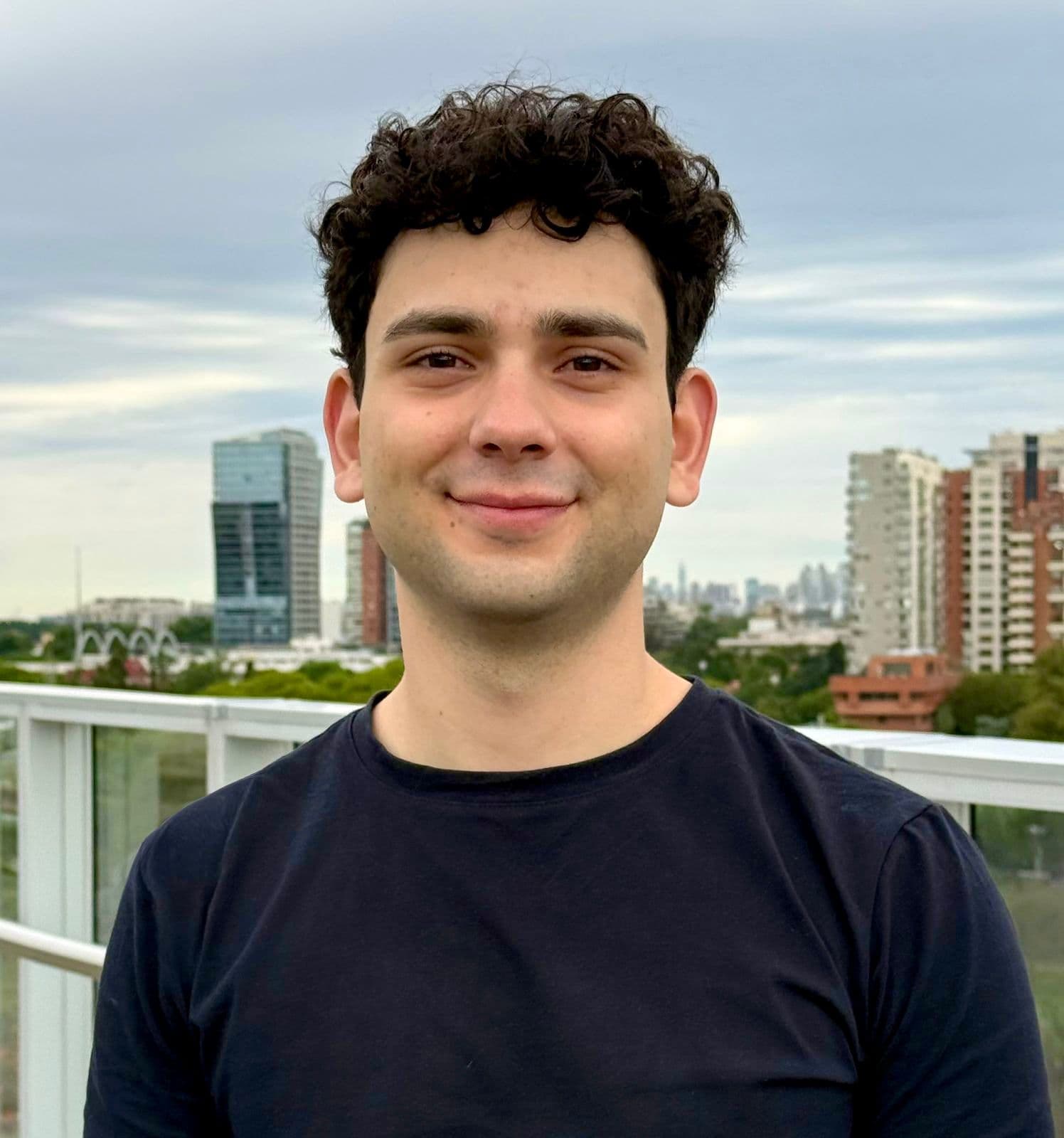
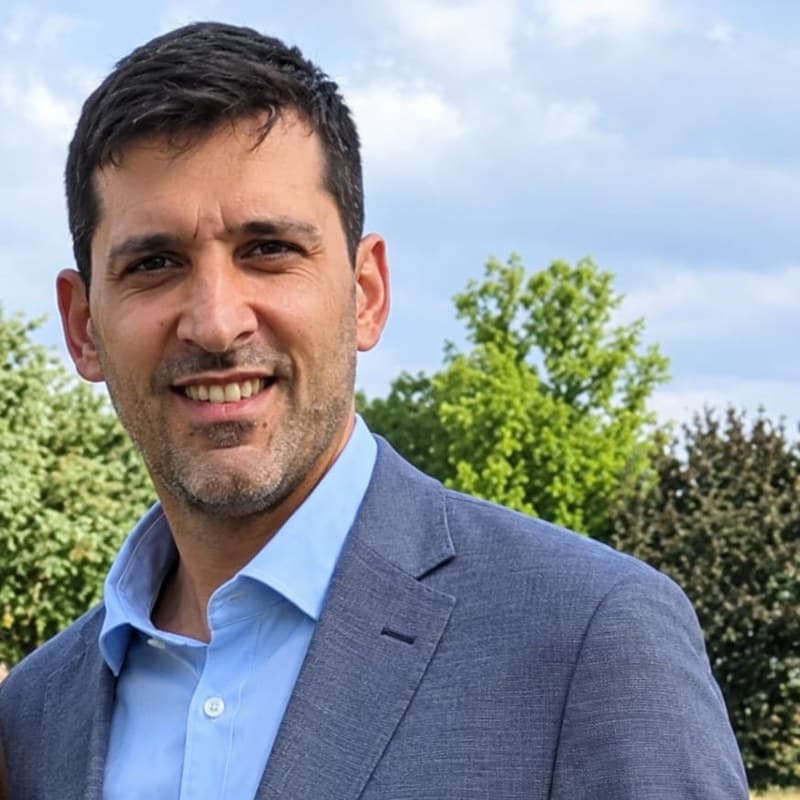
Ezequiel Emanuele
Executive Director & Founder
Strategic direction, institutional development, editorial strategy and development of the Conflict Severity Index.
International Affairs Watch is an independent platform for monitoring, research and analysis of international affairs. We study armed conflicts, political crises, geopolitical dynamics and human rights situations to understand their causes, evolution and implications.
We combine open sources, verifiable data and methodological tools to turn scattered information into rigorous, contextualised and accessible knowledge.
iawatch.org is the official website of International Affairs Watch Asociación Civil, a non-profit civil association with legal status granted by the Inspección de Personas Jurídicas de Córdoba, Argentina (Resolution No. 308 C/26), tax ID (CUIT) 33-71964447-9, with registered office at 25 de Mayo 1, Villa Cura Brochero (5891), Córdoba, Argentina. “IAW” is the organization’s abbreviation.
IAW brings together researchers and analysts working across regions and disciplines. Our work combines empirical research, geopolitical analysis, methodological development and communication to understand the processes shaping international affairs.
Executive Director & Founder
Strategic direction, institutional development, editorial strategy and development of the Conflict Severity Index.
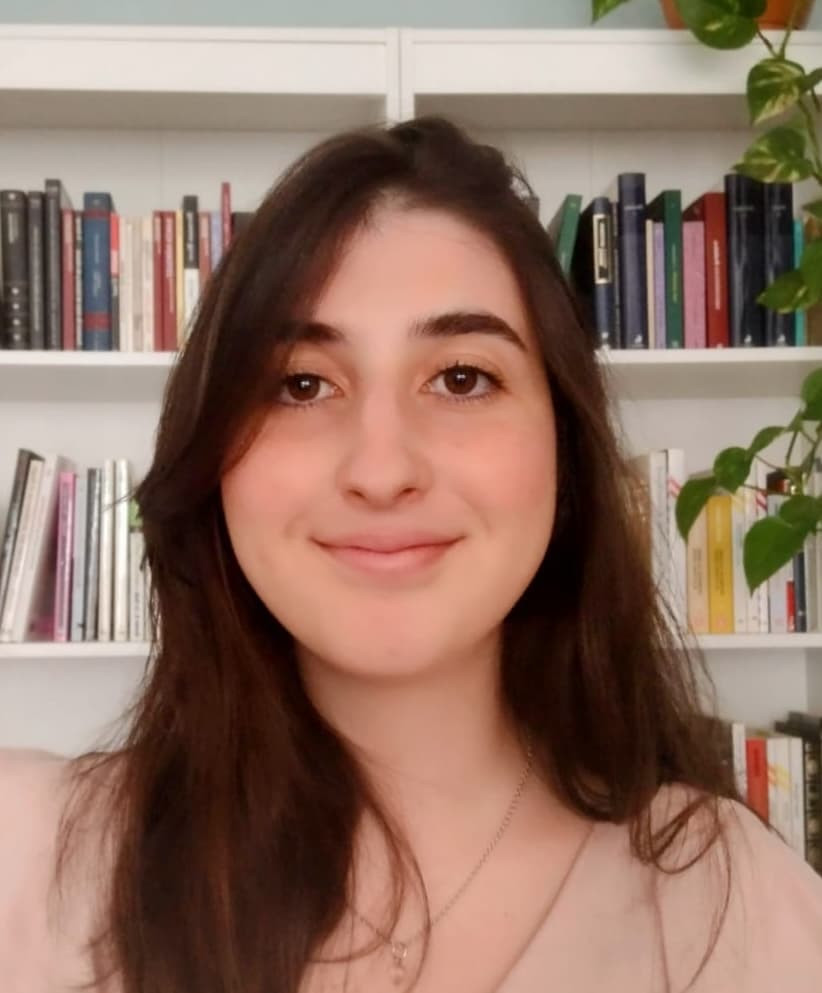
Head of Operations & Institutional Relations
Internal coordination, institutional relations, partnerships and governance of the association; human rights and international legal frameworks.
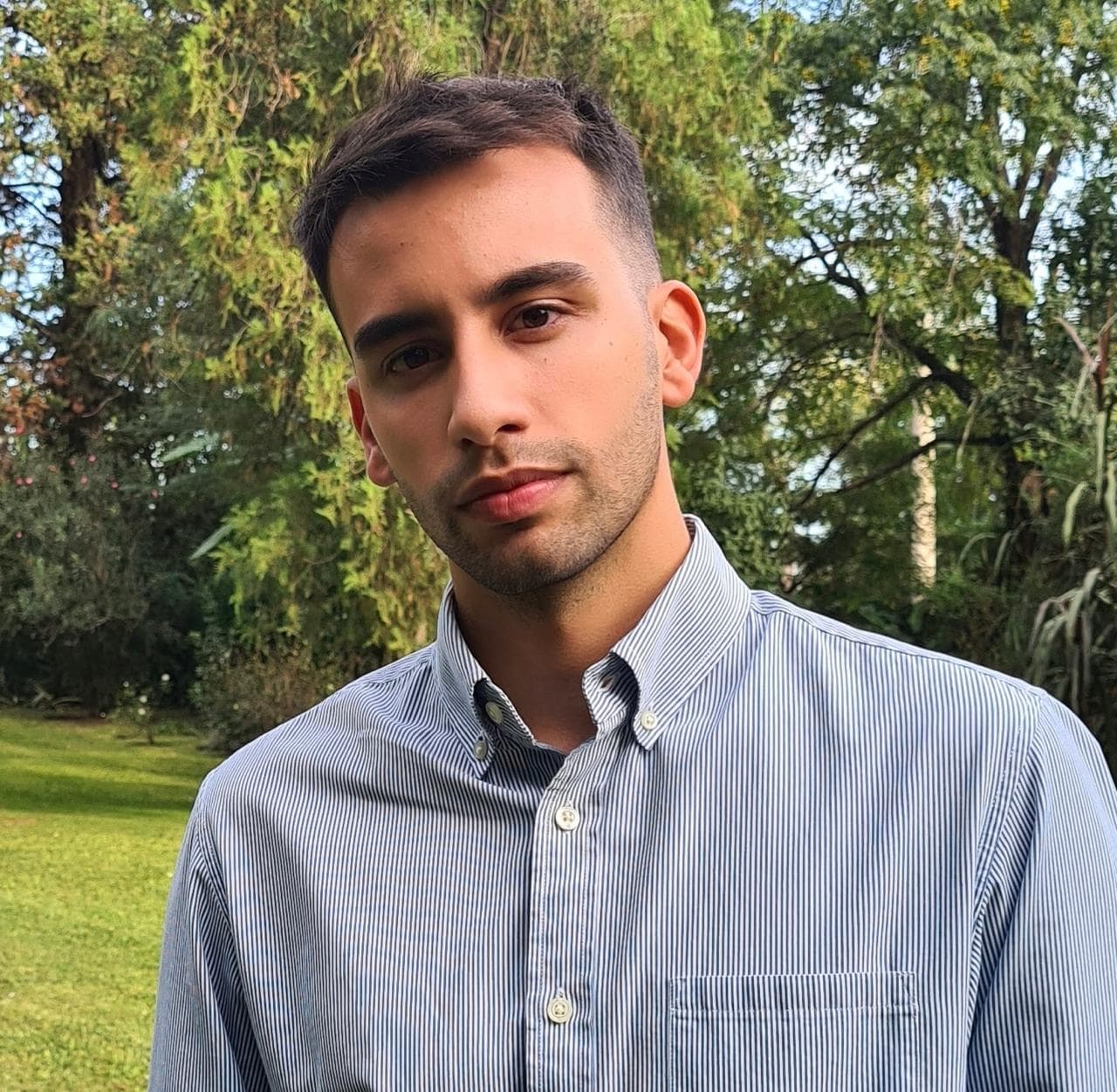
Head of Editorial
Editorial direction, publication standards and content quality oversight.

Head of Communications & Media
Institutional communications, media relations and public-facing narratives.
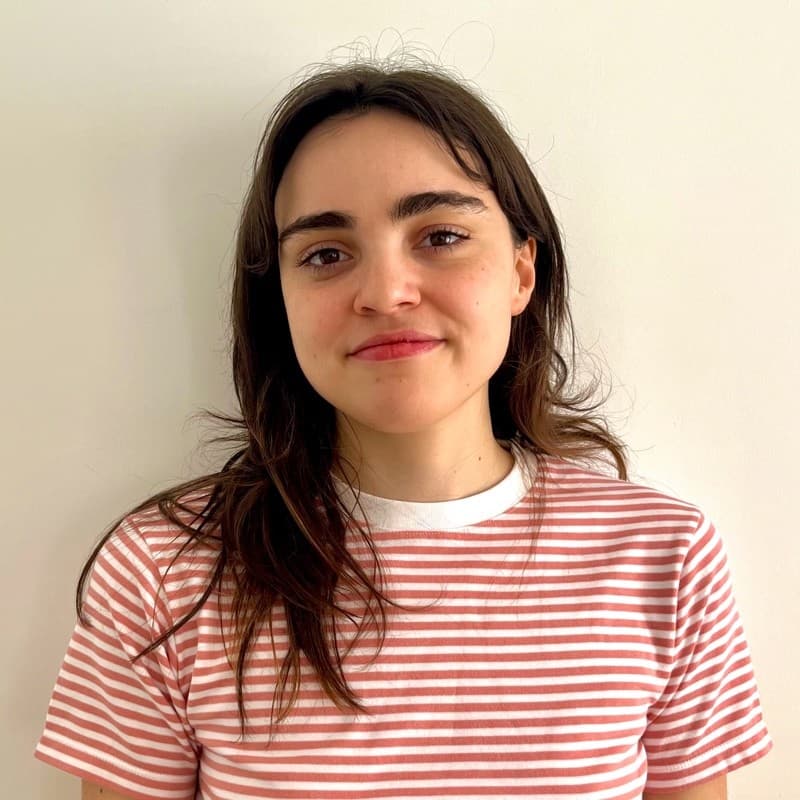
Translation Coordinator
Translation and linguistic review of publications, with a focus on terminological consistency across Spanish and English editions.
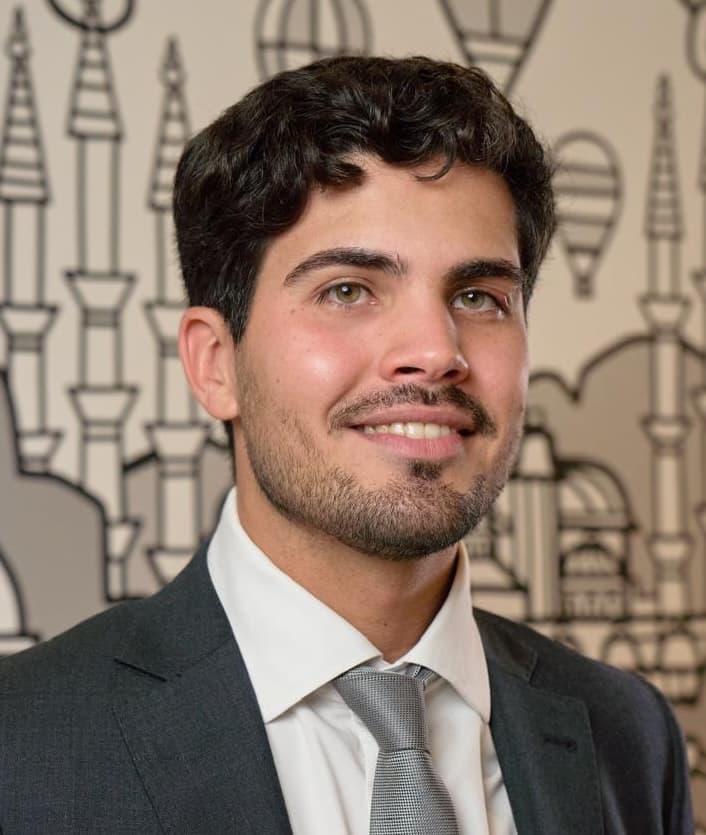
Researcher & Analyst
Methodology and Conflict Severity Index
Methodological research, analytical frameworks and research related to conflict severity measurement.
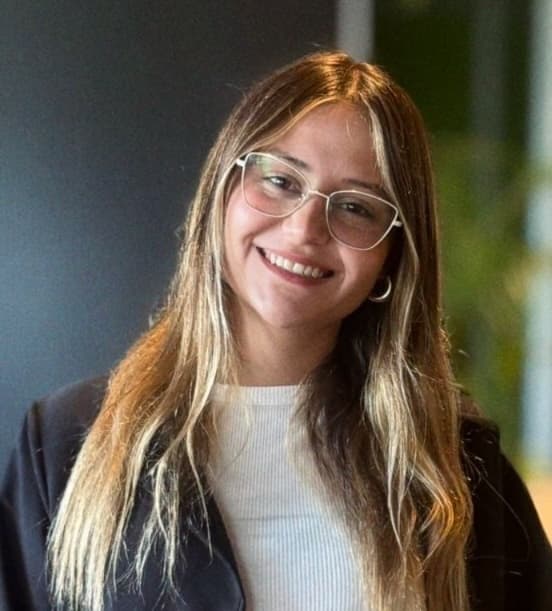
Researcher & Analyst
Data, Metrics and Validation
Quantitative research, data analysis, metric development and information validation.
Researcher & Analyst
International Public Law and Policy
Research on public international law, governance and international institutions.

Researcher & Analyst
Digital Diplomacy
Research on digital diplomacy, strategic communication and global narratives.
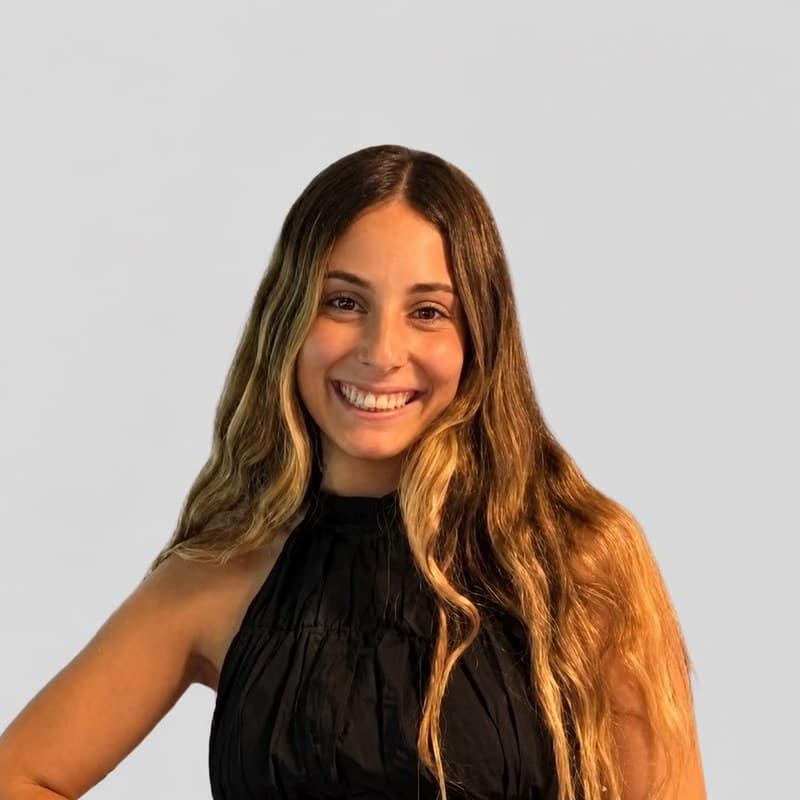
Researcher & Analyst
Middle East
Regional research on the Middle East, political dynamics and conflict developments.
Researcher & Analyst

Researcher & Analyst
Four capabilities. One integrated approach.
How we work
Our approach combines qualitative analysis, open-source research and quantitative tools. The method depends on the question we are trying to answer, but it follows shared standards of rigour, traceability and transparency.
Read the full methodologyEvidence for understanding a complex international system
International events do not happen in isolation. Their causes, actors and consequences are connected through political, economic, social and institutional processes that call for contextualised analysis.
Every product rests on the same premise: conclusions must be proportionate to the available evidence, methods must be open to scrutiny, and limitations must be made explicit.
Our own methodological work
A composite index that measures the severity of armed conflicts across documented dimensions. Each assessment records its evidence grade and its uncertainty, and when the documentation is not enough for a comparable score, the profile is published without one.
About the indexOur mission
To contribute to a better-informed, rigorous and accessible understanding of international affairs. We aim to produce knowledge that helps interpret events beyond the news cycle, recognise the dynamics that connect them and encourage critical thinking about the international system.
IAW is a non-profit civil association with legal personality granted in the Province of Córdoba, Argentina. Editorial independence is one of its core principles. We work with researchers, universities, civil society organisations, public institutions and private actors under criteria of transparency and intellectual autonomy.
Working with IAW
Analysts, institutions and people who want to contribute to the project: these are the ways to do it.
For inquiries, collaboration proposals, or institutional communications, get in touch.